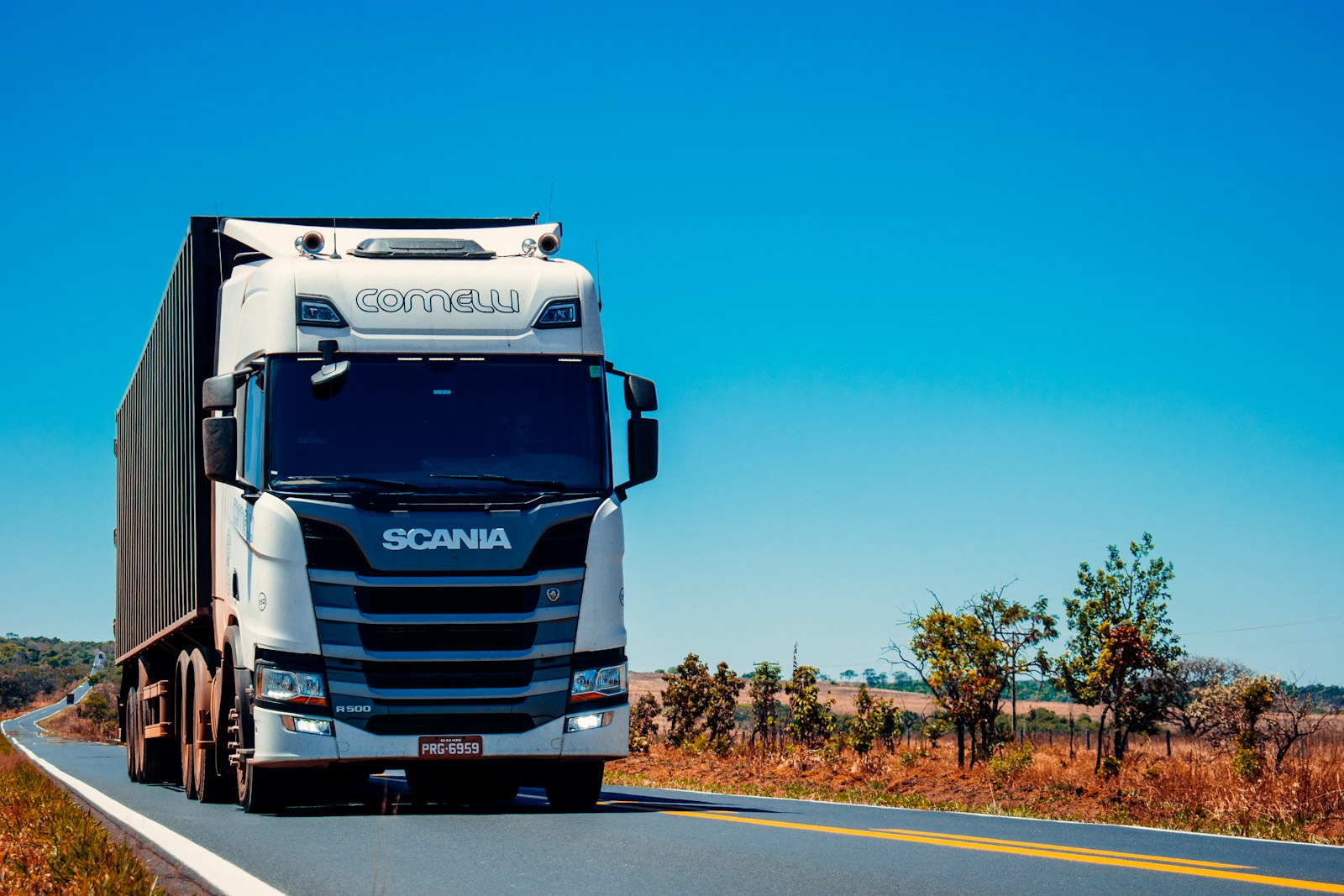
Trucking is brutally capital-intensive. Trucks cost $80K–$200K each. Fuel runs $1,500–$2,500 a week per truck. Insurance, factoring fees, and maintenance compound on top. And carriers are paid 30–60 days after delivery while drivers, fuel, and lease payments are due immediately. The funding products that actually work for trucking solve those exact gaps. Here's the breakdown.
Need Fast Business Funding?
Spartan Capital offers up to $500K with same-day approval and no hard credit pull.
Apply Now — Get Funded Today → No hard credit pull · Decision in 1 hour · Up to $500KEquipment financing for trucks and trailers
For tractor purchases, trailer purchases, and reefer units, equipment financing is the right tool. The truck or trailer is the collateral, which keeps rates lower than unsecured options. Most equipment funders cover up to 100% of cost on new units and 80–100% on used.
- New tractors: 60–84 month terms, rates 8–13% depending on credit and revenue
- Used tractors (under 5 years old): 48–60 months, rates 11–18%
- Trailers: 60–72 months, similar rate structure
Soft credit pull and approvals in hours. Spartan Capital funds trucks and trailers for fleets and owner-operators up to $500K.
Working capital between loads
The classic trucking cash-flow problem: load completed, driver paid, fuel paid, and the carrier is waiting 30–45 days for the broker or shipper to settle. Working capital funding bridges that gap.
Two products fit:
- Revenue based financing for ongoing capital needs — repayment scales with weekly revenue, fits the load-by-load nature of the business.
- Lines of credit for fuel and short-term operating expenses — draw what you need, repay, redraw.
Invoice factoring for slow-paying brokers
The most-used product in trucking. You sell your invoice to a factor, get 90–95% of the invoice value within 24 hours, and the factor collects from the broker. Standard factor fee is 1.5–4% of the invoice depending on volume and the broker's payment history.
Factoring fits owner-operators and small fleets where consistent cash flow matters more than maximizing margin. For larger fleets with steady cash, the factor fee is often higher than just self-financing the receivable.
Owner-operator vs fleet funding
The two have different funding profiles:
- Owner-operator: equipment financing for the truck, factoring for invoices, occasional working capital for slow weeks. Funding amounts $25K–$200K.
- Small fleet (3–25 trucks): equipment financing for new units, line of credit for fuel and parts, RBF or term loans for expansion. Funding amounts $50K–$500K.
Both face the same underwriting reality: revenue and deposit consistency matter most, credit matters less than at a bank.
Common trucking funding mistakes
Three patterns to avoid:
- Stacking RBF advances. Layering multiple advances on top of each other crushes weekly cash flow. Pay one down before adding another.
- Factoring everything. Factor the slow-paying brokers; self-finance the reliable ones. Factoring at 3% on a customer who pays in 25 days is often unnecessary.
- Using working capital for trucks. Equipment financing exists for a reason — using a 6-month working capital advance to buy a $150K truck destroys cash flow.
Key Takeaways
- Equipment financing for trucks and trailers — rates beat unsecured loans.
- Factoring fits owner-operators and slow-paying brokers; not necessary for everyone.
- RBF or lines of credit cover working capital between loads.
- Don't stack advances; don't use working capital for equipment purchases.
- Direct lenders fund trucking despite credit dings if revenue is consistent.
Trucking funding is straightforward if you match the product to the use case. Equipment for trucks, factoring or working capital for cash gaps, RBF or term loans for expansion. Apply with Spartan Capital for trucking funding up to $500K with same-day approval.
Ready to apply?
Same-day decision, funding in as little as 2 hours, no hard credit pull. Get up to $500K.
Apply Now — Get Funded Today → No hard credit pull · Decision in 1 hour · Up to $500K